| TVR Tasmin, 200 to 450SE |
| MODEL | Tasmin S1 FH/ Conv |
Tasmin S2/280i FH |
Tasmin 280i Conv |
Tasmin 200 FH/ Conv |
350i FH/ Conv |
350i S2 FH/ Conv |
390 SE Conv |
400 SE Conv |
450 SE Conv |
420 SEAC Conv |
450 SEAC Conv |
|---|---|---|---|---|---|---|---|---|---|---|---|
| INTRODUCED | 1980 | 1981 | 1980 | 1981 | 1983 | 1985 | 1984 | 1988 | 1989 | 1986 | 1988 |
| ENGINE/CC | V6 2792 |
V6 2792 |
V6 2792 |
S4 1993 |
V8 3528 |
V8 3528 |
V8 3905 |
V8 3948 |
V8 4441 |
V8 4228 |
V8 4441 |
| 0-60 (Secs) | 8.2 | 8.0 | 8.0 | - | 6.0 | 6.0 | 5.6 | 5.6 | 5.2 | 4.7 | - |
| MAX (MPH) | 130 | 121 | 126 | - | 135 | 136 | 144 | 145 | 150 | 150 | 150 |
| BHP | 160 | 150 | 150 | 101 | 190 | 197 | 275 | 275 | 320 | 300 | 324 |
| Source: TVR Car Club web site | |||||||||||
![]() 400SEC |
![]() Tasmin S1 FH |
|---|
|
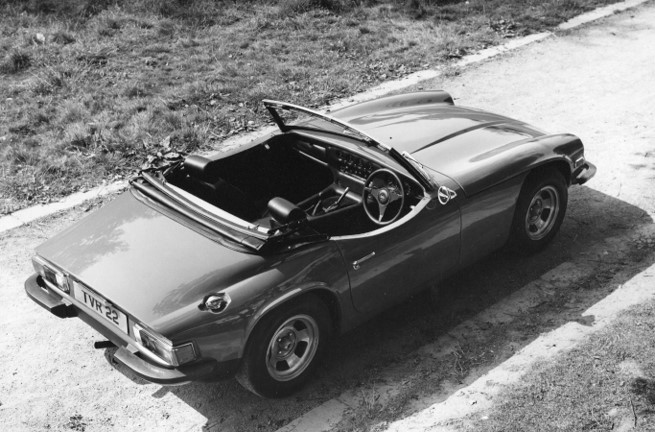
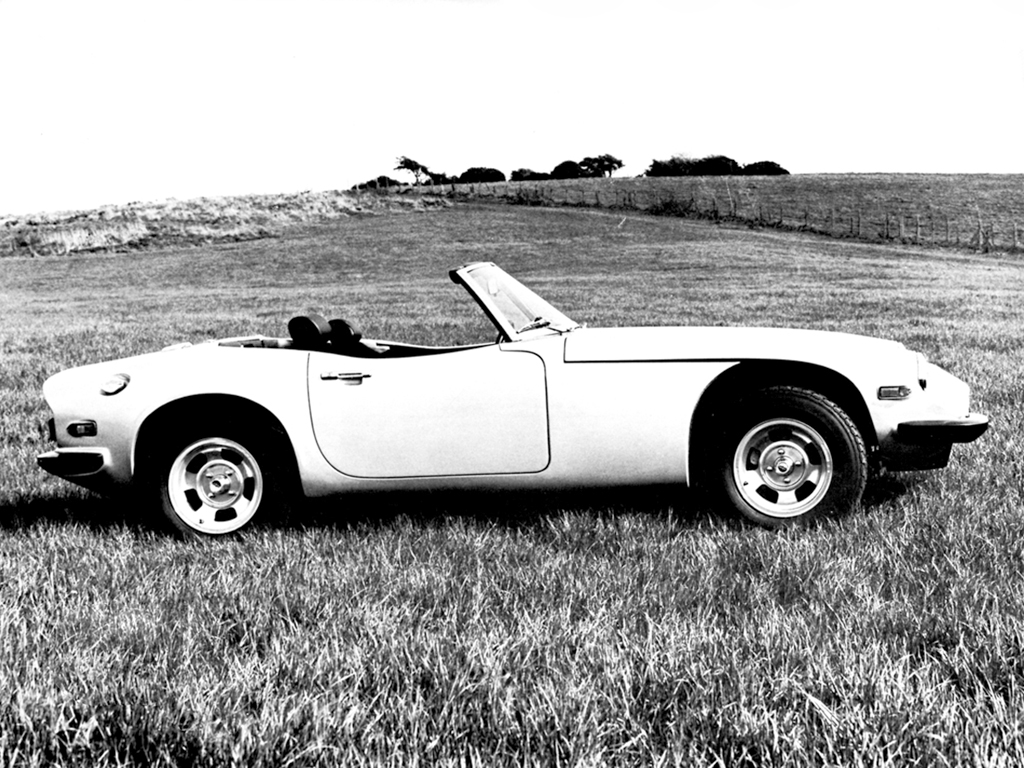
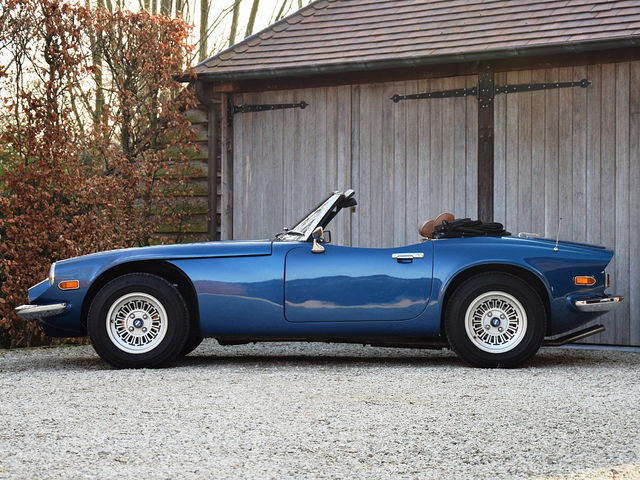
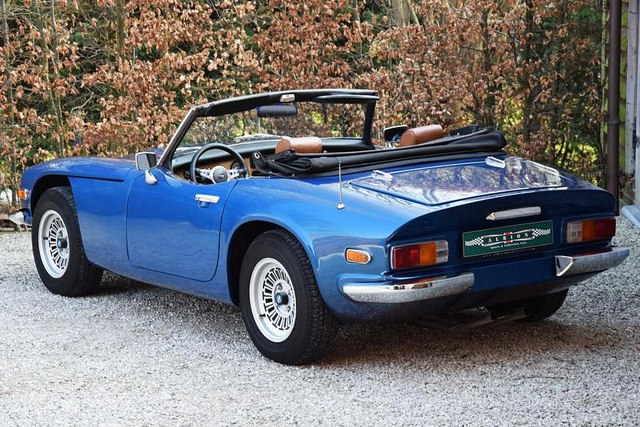
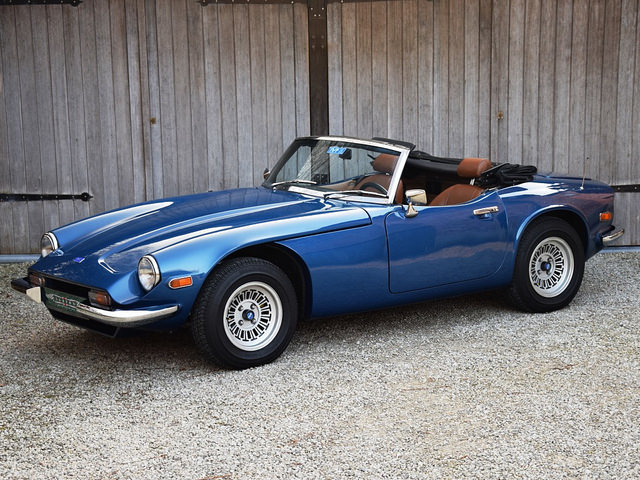
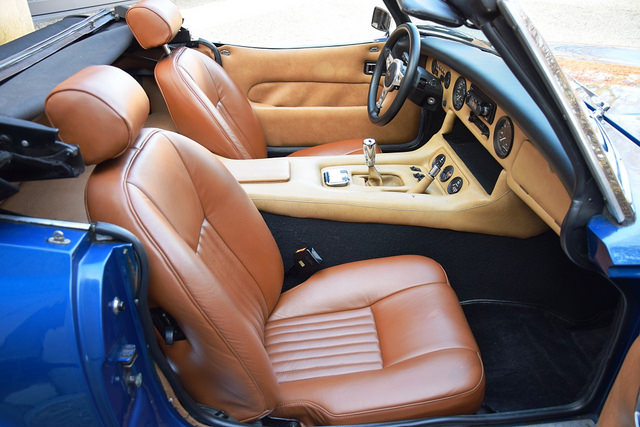
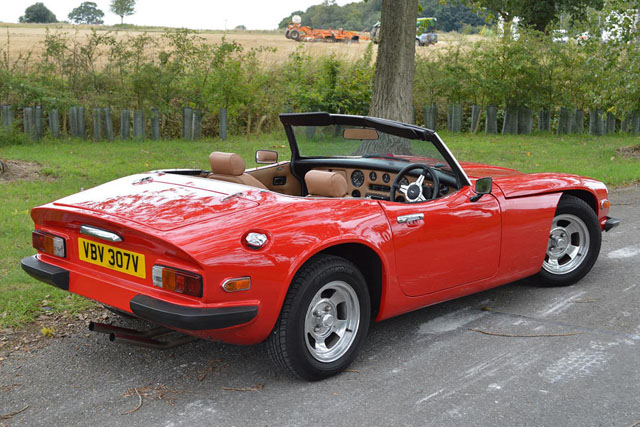
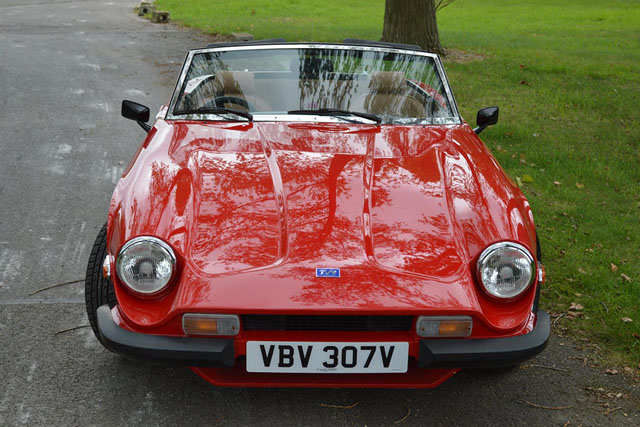
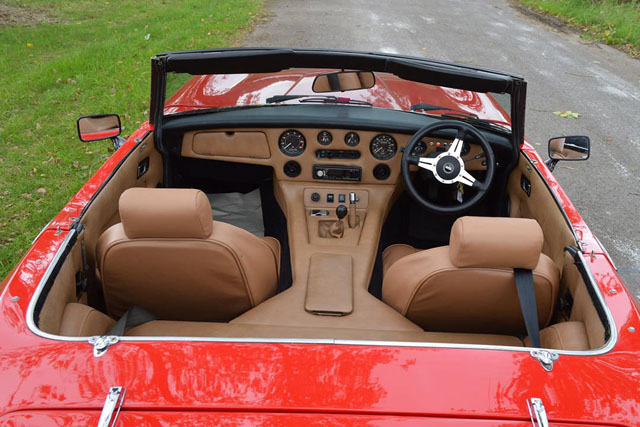
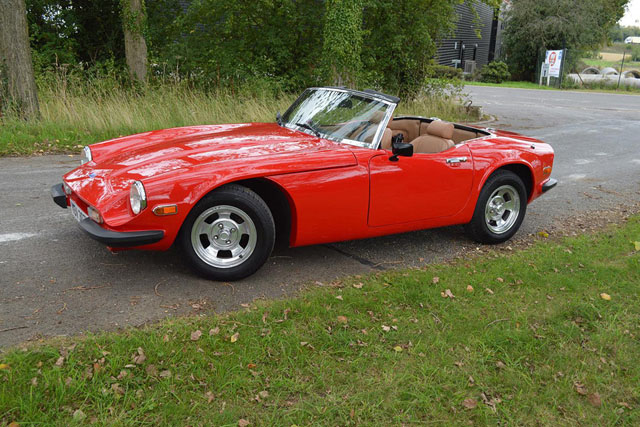
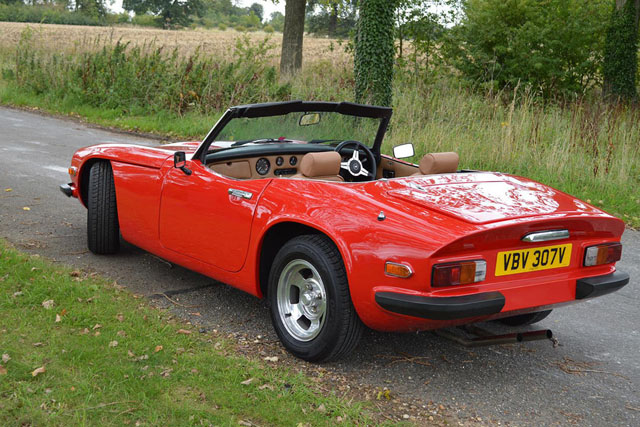
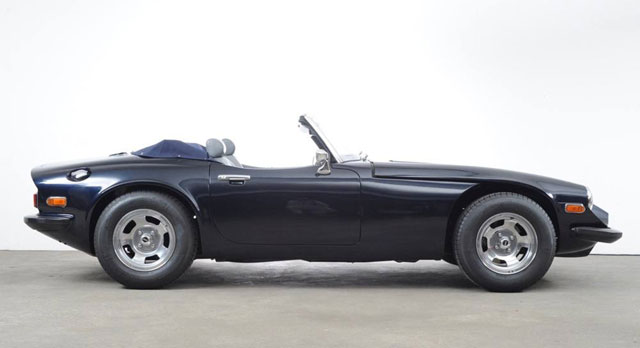
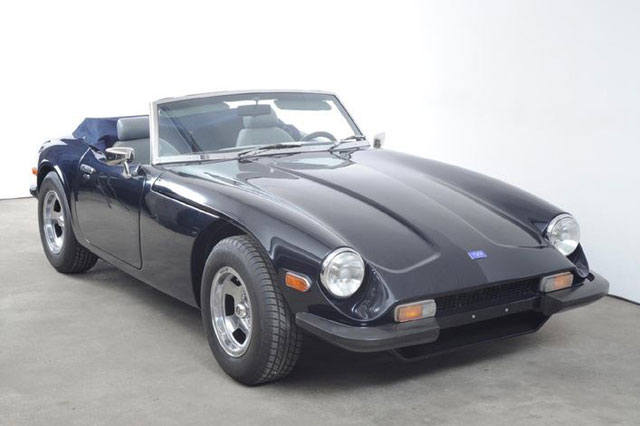
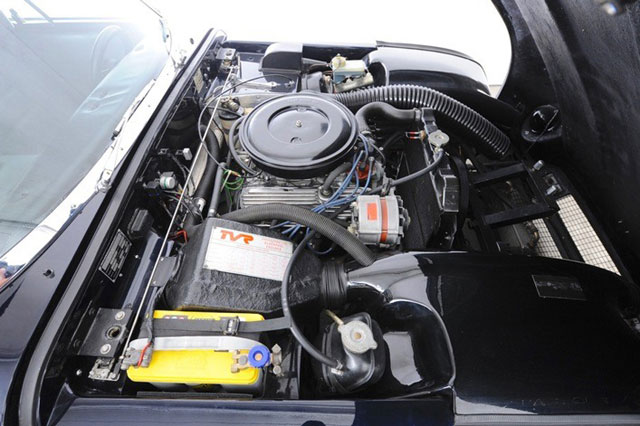
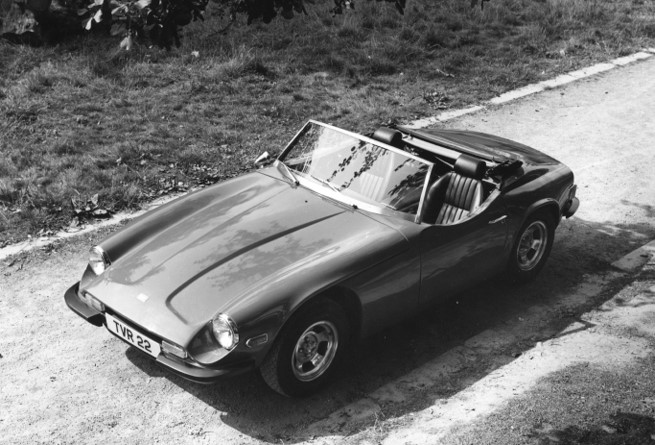
In the late 1970's Martin Lilley decided that a completely new model would allow TVR to broaden its appeal, and ex-Lotus designer Oliver Winterbottom was commissioned to design a new car. This was a major undertaking because up to this point all previous models had evolved from the first production car, the Grantura. The car had an all-new chassis, courtesy of another ex-Lotus designer, giving a longer wheelbase and increased rigidity. Due to the origins of the designers both body shape and chassis bore more than a passing resemblance to the Lotus Elite and Eclat. Pop-up headlamps kept the wedge shape tidy when the lights were not in use. Three models were announced at the same time - a fixed head coupe, a 2+2 coupe and a convertible. A 160bhp Ford Cologne V6 of 2792cc gave good performance and all models had a walnut dashboard as standard for the first time. The convertible's roof had a hard centre panel and a folding rear section, a feature still used by TVR today. Early sales were slower than the outgoing M series, and the Tasmin was more expensive. By 1982 Peter Wheeler had taken over from Martin Lilley, and the cheaper 2.0-litre Tasmin 200 was launched. This was not popular however and it was phased out in 1984. In 1982 a turbocharged version of the Ford V6 was developed, but 1983 saw a development which has been a major factor in TVR's subsequent success. The 190bhp alloy V8 engine used by Rover was fitted to the Tasmin, producing the 350i. At the same time, the Ford engined cars were renamed 280i. Changes had to be made to the chassis to fit the Rover engine, which also improved handling substantially. Straight away the 350i convertible became the best selling model. In 1984, the 390SE was introduced. This had a 275bhp blueprinted 3905cc V8, and serious performance to match the high price - 30% more than the 350i. A deeper front spoiler and a rear under-body aerofoil were the obvious external changes. In 1985 the series 2 cars appeared. Changes to the bodywork softened the sharp edges of the wedge shape to make the car more attractive, and in 1986 revised rear suspension improved handling. In 1986 the 420SEAC was developed, using a body made of Kevlar with an even more rounded front, and a large rear spoiler. This had a 4228cc V8 developing 300bhp, and cost twice as much as a 350i. In 1988 the 450SEAC became the top of the range with 324bhp. By this point the 280i was effectively rendered obsolete by increasing sales of the new S, and it was discontinued. Also in 1988, the 400SE was launched with a 275bhp 3948cc V8, and in 1989 the 450SE was launched with a 320bhp 4441cc V8. Both had further bodywork revisions with the wedge shape softened even more - to most eyes, the most attractive of all the Tasmin series. The 350i and 450SE continued in production until 1990, the 400SE until 1991. |