| TVR M Series | ||||||||||||||||||||||||||||||||||||||||||||||||||
![]() 1600M |
| |||||||||||||||||||||||||||||||||||||||||||||||||
|---|---|---|---|---|---|---|---|---|---|---|---|---|---|---|---|---|---|---|---|---|---|---|---|---|---|---|---|---|---|---|---|---|---|---|---|---|---|---|---|---|---|---|---|---|---|---|---|---|---|---|
|
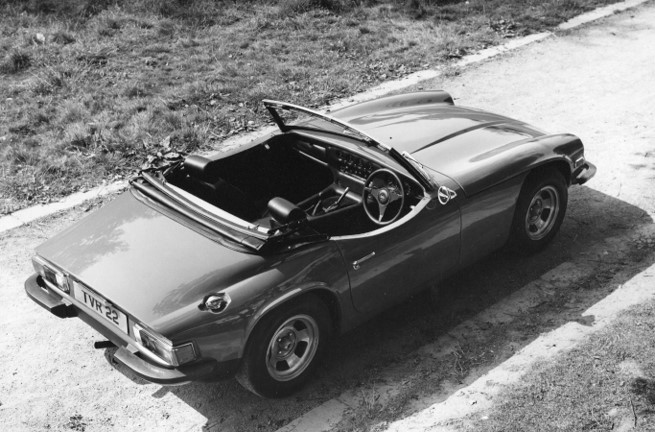
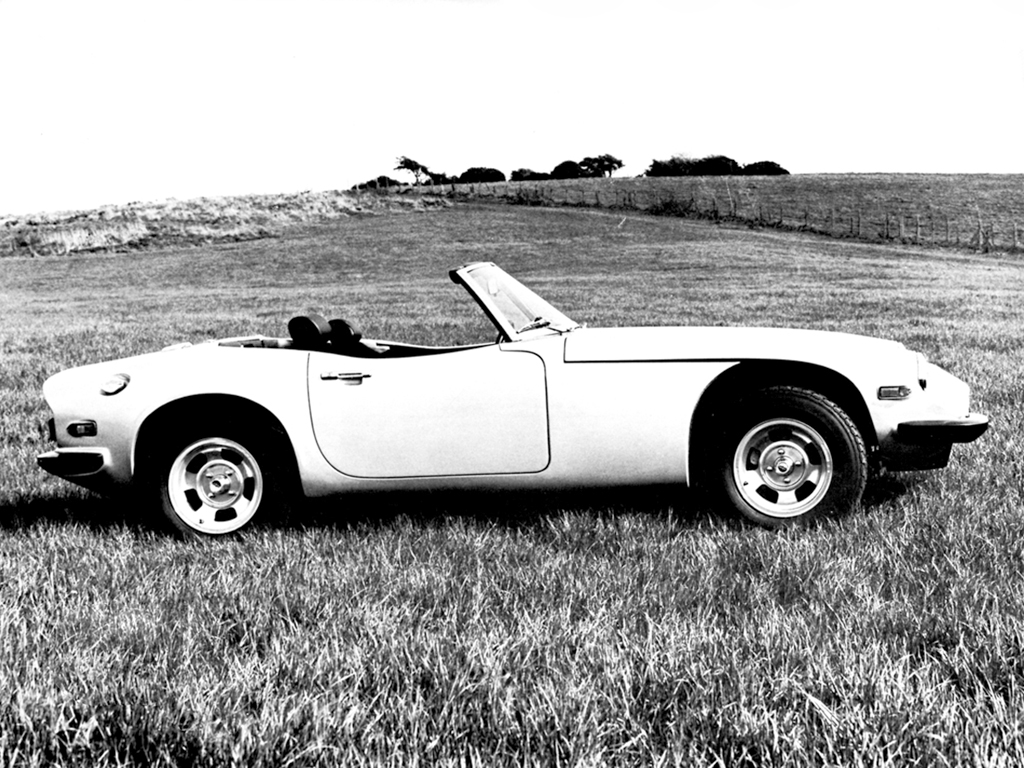
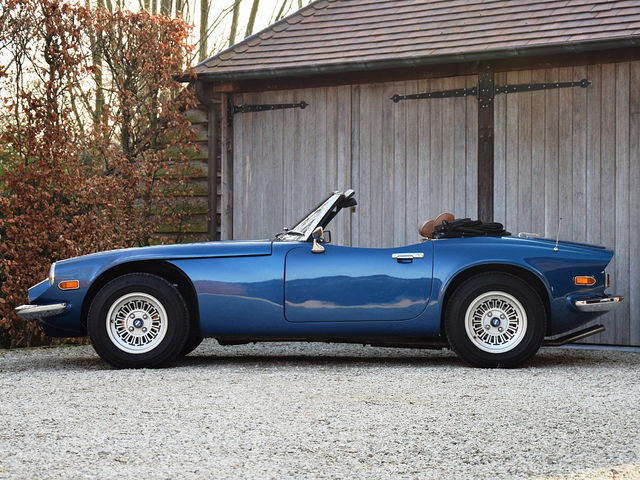
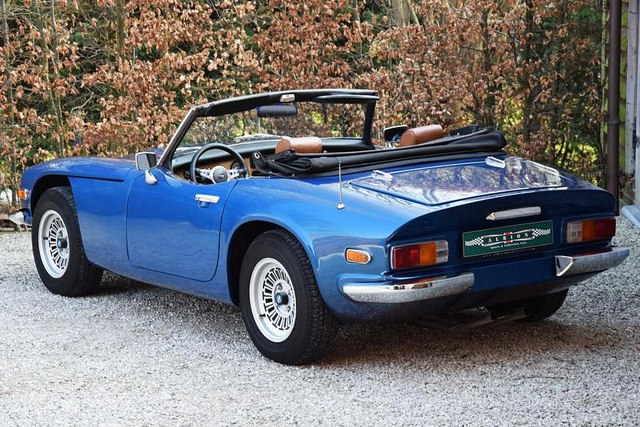
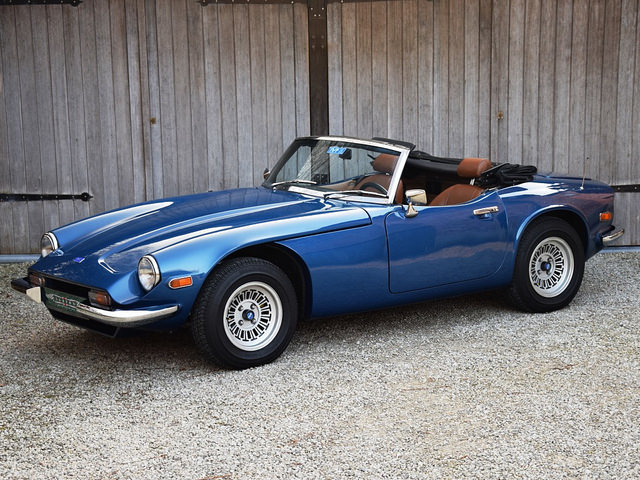
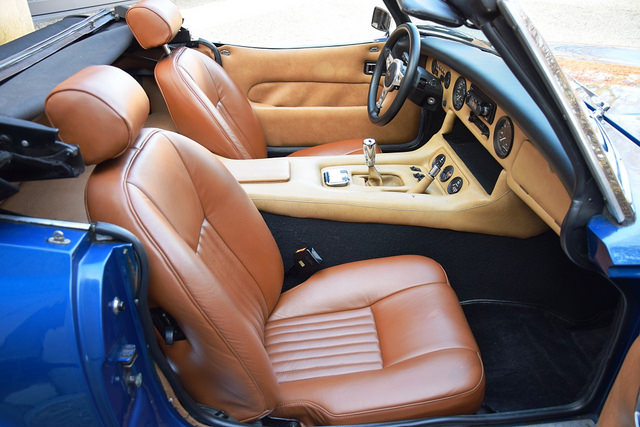
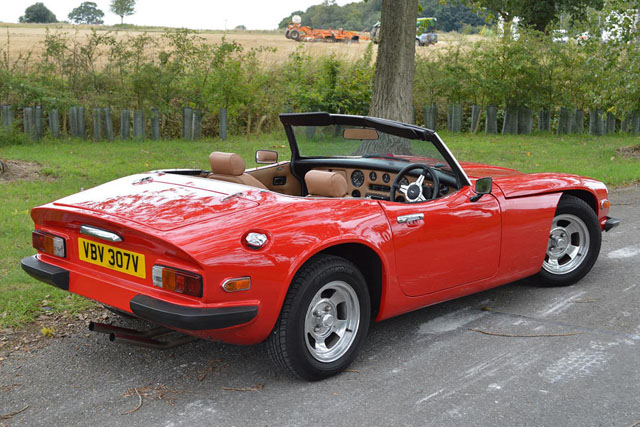
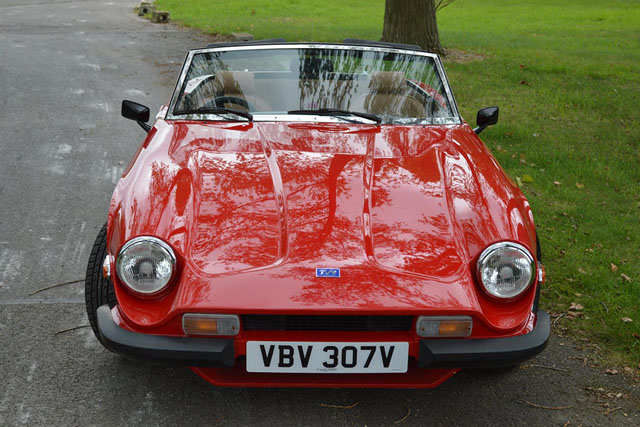
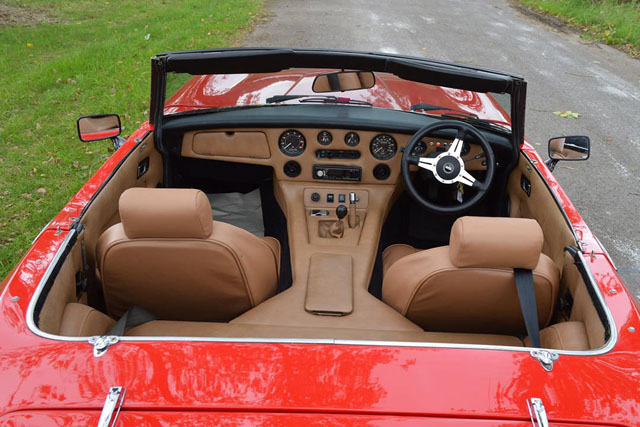
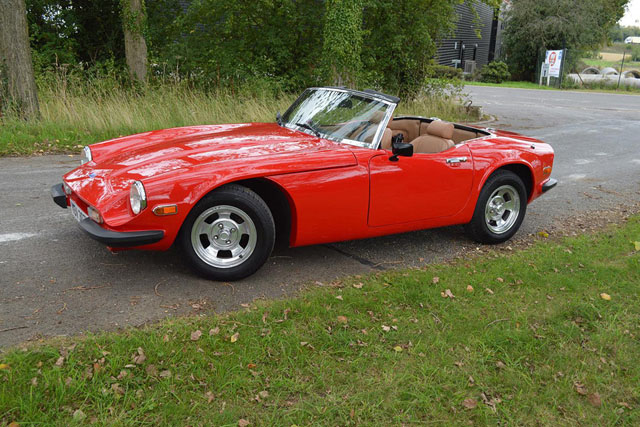
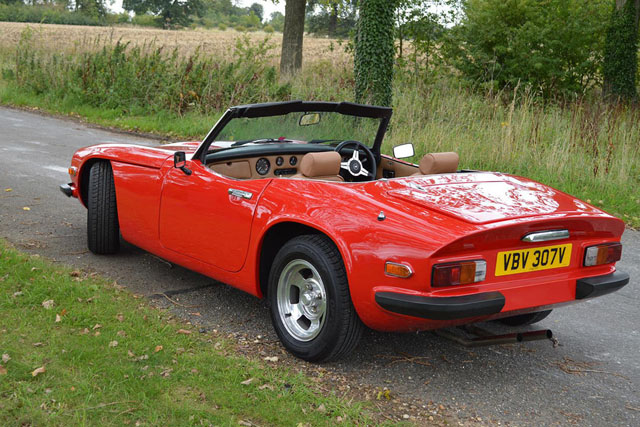
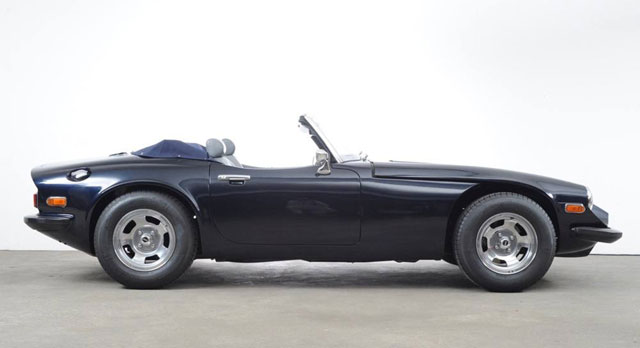
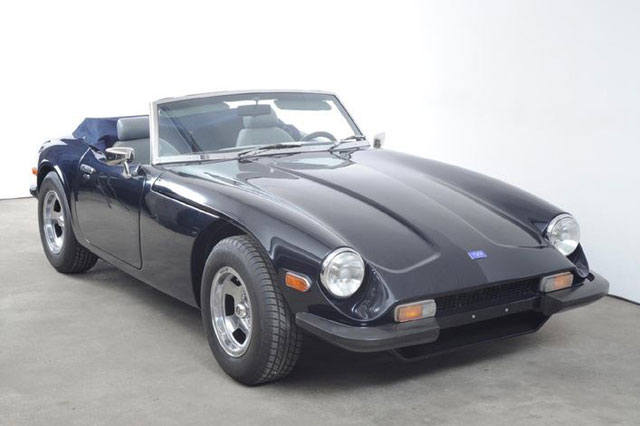
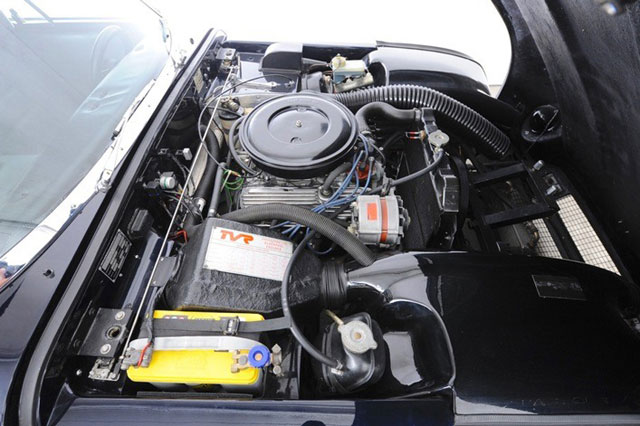
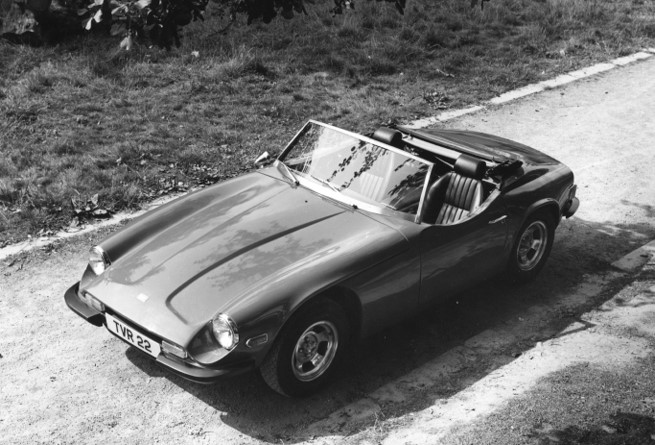
In 1972 the first of the M series cars entered production. A Midlands TVR dealer had built his own strengthened chassis for a customer's race Tuscan V8, and this had given him some ideas about how to improve the standard TVR chassis. The result was a chassis which was simpler and stronger than before, easier to construct accurately and easily modifiable to accept any changes in running gear which legislation or circumstances might force. A mixture of Triumph TR6 and in-house manufactured parts made up the revised suspension. This chassis found its way into the last few Vixen S4s built while the body was finalised. The body was based on the 'wide body' Tuscan V8 with the centre section largely unchanged but with the front and rear lengthened, allowing the spare wheel to be mounted under the bonnet above the radiator. Rear lights became Triumph TR6 units, echoing the powerplant which was the desmogged 106bhp 2.5-litre TR6 engine. The car was designated 2500M - the M standing for Martin (Lilley). 1600M (84bhp 1599cc Ford 'Kent' engine) and 3000M (138bhp Ford 'Essex' V6) models went on sale at the same time. All three models used the same bodyshell, which still bore a family resemblance to the earliest cars. The interior was much improved over previous models, with a padded dashboard and a centre console over the wider transmission tunnel. In 1973 changes in legislation meant that cars sold as kits in the UK were subject to taxation, so the 1600M was dropped as it was thought to be too expensive to be sold in completed form, and the 2500M was taken off the UK market and offered solely for export, leaving only the 3000M for the home market. A version with a more luxurious interior including walnut dashboard and Wilton carpets was introduced as the 3000ML, but it did not sell well. In 1974 the 3000ML was dropped and the 3000M gained some of the luxury fittings, but the others were optional. Production was halted for several months in 1975 by a fire at the factory. In 1976 the 240bhp Turbo model was introduced. This used a Broadspeed conversion of the same Ford V6 'Essex' engine. This power unit was also made available in two other M series derivatives when launched, the hatchback version (Taimar), and the Convertible (3000S). The normally-aspirated Taimar was fundamentally a 3000M with an opening hatchback, giving easy access to the luggage area for the first time. This was a popular development and the Taimar soon became the best selling model. However even this was beaten when the 3000S, originally known as the Convertible, was launched at the end of 1978. The body differed from the 3000M/Taimar completely from the windscreen rearward, but the chassis was unchanged. The popularity of the Convertible in its short production life of just one year showed the shape of things to come for TVR. The last M series cars were built in 1979, at which point the Tasmin (wedge) series entered production. | ||||||||||||||||||||||||||||||||||||||||||||||||||